melissa
 The digital age presents us with unprecedented choices, and online gambling platforms—where real time dealers on casino platforms facilitate countless transactions daily—raise profound questions for those walking a spiritual path. How do theosophical principles guide us through this modern landscape where consciousness, desire, and consequence intersect in virtual spaces?
Theosophy teaches that every action ripples through the fabric of karma, that our choices shape not only our immediate circumstances but our soul’s evolutionary journey. Online gambling, stripped of physical presence and traditional social constraints, becomes a unique testing ground for these ancient truths. The ease of access, the algorithmic designs engineered to capture attention, the solitary nature of clicking buttons in isolation—all these elements challenge our understanding of personal responsibility and spiritual growth.
This isn’t about declaring gambling inherently right or wrong. Rather, we’re exploring how theosophical wisdom illuminates the deeper dimensions of this activity. What does the principle of Universal Brotherhood mean when we participate in systems designed around individual gain? How does the pursuit of chance-based winnings affect our consciousness and its development? What karmic patterns emerge from actions taken in digital spaces that feel disconnected from tangible reality?
These questions matter because theosophists worldwide are engaging with online gambling, whether occasionally or habitually, and deserve thoughtful guidance rooted in spiritual philosophy rather than simple prohibition. By examining this phenomenon through the lens of karma, consciousness evolution, and our interconnectedness, we can develop a nuanced understanding that honors both theosophical depth and the complexity of modern life. This exploration invites reflection, personal honesty, and ultimately, conscious choice-making aligned with our highest spiritual aspirations.

The Karmic Wheel: Understanding Cause and Effect in Gambling
Beyond Material Loss: The Subtle Effects on Consciousness
When we engage in online gambling, we’re not simply risking money or time. From a theosophical perspective, we’re engaging with forces that shape our consciousness in ways that ripple far beyond our current awareness. Each time we place a bet, we’re not just making a financial decision—we’re creating subtle impressions on our mental and emotional bodies, what theosophists call our “lower principles.”
These impressions don’t simply vanish when we close our browser or power down our device. They accumulate, forming what might be called grooves in consciousness—patterns of desire, anticipation, and attachment that become increasingly difficult to redirect. The excitement of potential winnings conditions our emotional body to crave that particular vibration, while the mental body becomes trained in justification and calculation around chance.
What makes this particularly significant in theosophical understanding is that these patterns don’t end with physical death. The karmic consequences of habitual gambling extend into our post-mortem states and potentially into future incarnations. The tendencies we develop now become part of our skandhas—the bundle of habits and predispositions we carry forward.
This isn’t about punishment or divine judgment. Rather, it’s about recognizing how our choices today shape the instrument of consciousness we’ll work with tomorrow—and perhaps for many tomorrows to come. Understanding this invites us to approach online gambling, and all our activities, with greater mindfulness about their lasting effects on our evolving awareness.
The Illusion of Randomness and Divine Order
At first glance, online gambling seems built entirely on randomness—the spin of a digital wheel, the shuffle of virtual cards, the unpredictable bounce of a ball. We call it “chance” or “luck,” and this perception fuels the entire gambling industry. But from a theosophical perspective, true randomness doesn’t exist in a universe governed by cosmic law.
Theosophy teaches that everything operates according to universal principles, primarily the Law of Karma—the law of cause and effect that extends far beyond a single lifetime. What appears random to our limited human perception is actually the working out of complex karmic patterns we cannot fully see. When someone wins or loses at an online casino, theosophy would suggest this isn’t mere chance but the result of countless prior causes, some perhaps originating in past lives.
This understanding fundamentally challenges the concept of “luck” that gambling relies upon. If we’re not subject to random fortune but to karmic law, then believing we can beat the odds through luck becomes a form of spiritual misunderstanding. The universe isn’t arbitrary; it’s ordered according to principles of balance and justice that unfold across vast timescales.
This doesn’t mean every gambling outcome is predetermined—our free will continually creates new causes. Rather, it suggests that engaging with systems designed around the illusion of randomness may prevent us from recognizing the deeper patterns shaping our lives. For spiritual seekers, this raises important questions: Does gambling distract us from understanding karmic law? Are we seeking external fortune when we should be cultivating inner wisdom?
Desire, Attachment, and the Lower Self
The Digital Trap: How Online Platforms Exploit Human Weakness
Theosophy teaches us that human consciousness operates on multiple levels, from our higher spiritual nature to what are sometimes called the kama-manas, the desire-mind tendencies that pull us toward immediate gratification. Online gambling platforms, whether designers realize it or not, have become remarkably sophisticated at exploiting these lower impulses, creating what we might call digital traps for the unwary soul.
Consider how these platforms mirror the very weaknesses that spiritual traditions across cultures have long warned about. The endless scroll of betting options, the hypnotic sounds and flashing lights, the carefully calibrated near-misses that keep us engaged—these aren’t accidents. They’re designed to bypass our reflective consciousness and speak directly to our impulsive nature, the part of us that seeks pleasure without considering consequence.
From a theosophical perspective, this represents more than just clever marketing. These mechanisms actively work against our spiritual evolution by strengthening the bonds of desire that keep consciousness trapped in lower vibrational patterns. The intermittent rewards system used in online slots, for instance, mirrors what behavioral psychologists call variable ratio reinforcement—the most addictive pattern known. But theosophy would add another layer: such systems feed the astral body’s hunger for stimulation while starving the higher self of meaningful growth.
What makes this particularly challenging in our digital age is the constant accessibility. Unlike traditional gambling venues with physical and temporal boundaries, online platforms create a persistent opportunity for the lower impulses to assert control. This isn’t about moral judgment but about understanding how modern technology can either support or hinder our journey toward greater consciousness and self-mastery.
Distinguishing True Freedom from Compulsion
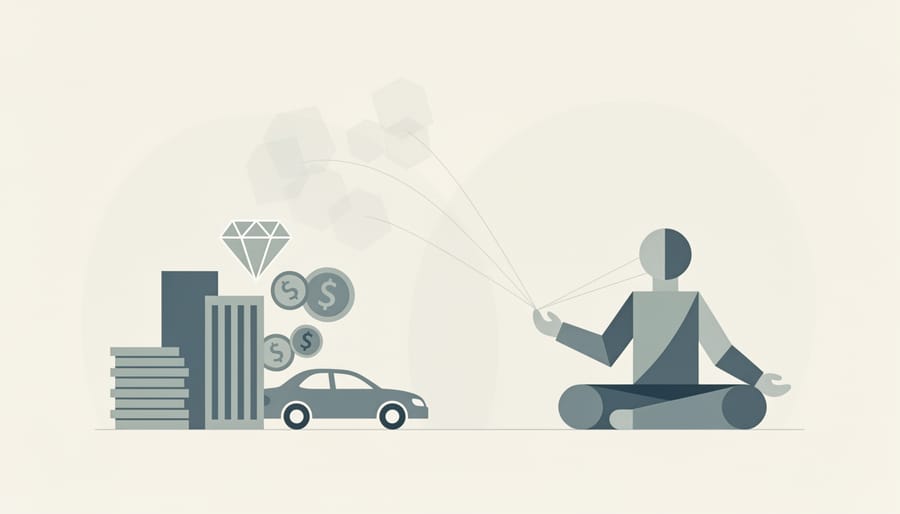
In theosophical understanding, true freedom emerges from self-knowledge and conscious choice aligned with our higher nature. But how do we recognize the difference between genuine autonomy and the compelling pull of habit or desire?
Consider this: when we engage in online gambling, are we exercising free will or responding to carefully designed triggers? Modern platforms use sophisticated algorithms that exploit psychological vulnerabilities, creating what feels like choice but operates more like a feedback loop. The flashing lights, intermittent rewards, and ease of access all work to bypass our reflective consciousness, engaging instead with our reactive impulses.
Theosophy teaches that the lower mind, what we might call the personality-driven consciousness, often mistakes desire for free will. We think we’re choosing, but we’re actually being driven by patterns established through repetition and reinforcement. True freedom requires engaging what theosophists call buddhi-manas, the higher intuitive mind that observes these patterns without being swept away by them.
The question becomes: are you gambling because you consciously decided it aligns with your spiritual growth and well-being, or because an urge arose and you followed it? Can you stop easily, or does resistance reveal an attachment?
This isn’t about judgment but honest self-examination. Across cultures, spiritual traditions recognize that compulsion masquerades as choice. The path to genuine freedom begins when we acknowledge this distinction, observing our motivations with compassionate awareness rather than denial or rationalization.

The Brotherhood of Humanity and Social Responsibility
The Interconnected Web: Your Bet Affects More Than Yourself
When we place a bet online, it might feel like a private decision—just us and a screen. But from a theosophical viewpoint, no action exists in isolation. The principle of universal brotherhood reminds us that humanity is fundamentally interconnected, bound together in ways both visible and invisible.
Consider the immediate circle: families who may experience financial strain or emotional distance when gambling becomes consuming. A partner’s anxiety, a child’s unmet needs, or a parent’s disappointment—these aren’t separate from our spiritual development; they’re integral to it. Each choice we make sends vibrations through our relationships, creating patterns that either uplift or burden those closest to us.
Beyond the home, communities feel the impact too. Resources diverted to gambling might otherwise support local businesses, charitable causes, or collective wellbeing. In some cultures, the communal fabric depends on mutual support and shared prosperity. When individuals struggle with gambling, communities shoulder hidden costs—from social services to the erosion of trust.
Perhaps most significantly, theosophy teaches that our thoughts and actions contribute to the collective consciousness of humanity. When we engage in activities driven primarily by desire for gain without effort, we’re not just affecting our personal karma. We’re adding to a thought-stream that influences others, particularly those vulnerable to similar patterns. This isn’t about guilt, but about recognizing our role as co-creators of the mental and spiritual atmosphere we all inhabit.
Understanding this interconnected web invites us to approach gambling—and all choices—with greater awareness and compassion.
Right Livelihood and Right Action in the Digital Age
Theosophical ethics, particularly through the lens of Right Livelihood and Right Action, invite us to examine not just whether we gamble, but how we relate to the entire ecosystem of gambling. These principles, drawn from the Noble Eightfold Path that theosophy embraces alongside other wisdom traditions, ask us to consider whether our activities support spiritual growth and universal brotherhood.
From a theosophical standpoint, participating in online gambling raises questions about intention and effect. Are we seeking genuine recreation, or escaping deeper spiritual work? Does our participation create suffering for ourselves or our families? These aren’t judgments but invitations for honest self-examination.
Working in the gambling industry presents equally complex considerations. Theosophy recognizes that economic necessity shapes our choices, yet it also encourages us to consider the karmic implications of our work. Does facilitating others’ potential addiction align with the principle of harmlessness? Community perspectives vary here. Some theosophists might argue that providing entertainment holds neutral ethical weight, while others contend that profiting from activities that may cause harm contradicts spiritual principles.
The key lies in conscious awareness. Whatever our relationship to online gambling, whether as participants, industry workers, or observers, theosophy calls us to act with full consciousness of consequences, always asking: does this choice serve the greater good and support our collective evolution?
Spiritual Development Versus Instant Gratification
Theosophical teachings consistently emphasize that spiritual growth unfolds gradually through conscious effort, self-reflection, and disciplined practice. This path requires patience, as consciousness evolution operates across lifetimes, not moments. The Mahatma Letters speak of humanity’s development as occurring through “self-induced and self-devised efforts,” suggesting that genuine transformation emerges from within rather than through external forces or fortunate circumstances.
Online gambling presents a fundamentally different proposition. It promises instantaneous transformation—financial, emotional, and circumstantial—achieved not through inner work but through chance. A single click might change everything, bypassing years of effort, saving, or skill development. This appeal touches something deep in human consciousness: the desire for immediate relief from struggle.
What does this contrast reveal about our evolutionary state? From a theosophical viewpoint, the attraction to instant results reflects a misunderstanding of how consciousness actually develops. Just as a seed cannot become a tree overnight regardless of our wishes, human awareness cannot bypass necessary stages of growth. The lessons embedded in gradual unfoldment—patience, perseverance, discrimination between fleeting pleasure and lasting contentment—constitute the actual substance of spiritual development.
Consider this paradox: gambling’s promise of instant gratification often creates the opposite experience. Players frequently describe cycles of hope and disappointment, excitement and despair, that can extend for years. The “instantaneous” becomes prolonged suffering, suggesting that attempts to circumvent natural growth patterns create their own karmic complications.
This doesn’t mean theosophists should adopt a position of judgment toward those drawn to gambling. Rather, it invites deeper questioning: What unfulfilled needs drive the search for instantaneous change? What societal conditions make gradual development feel impossible or irrelevant? These questions connect to broader conversations about economic inequality, accessibility to education, and cultural values around success.
The theosophical perspective suggests that consciousness evolves through embracing rather than avoiding life’s inherent challenges. Each moment of choosing discipline over impulse, delayed gratification over immediate pleasure, strengthens inner capacities that persist beyond current circumstances. Online gambling, whatever its entertainment value, rarely cultivates these enduring qualities. Understanding this distinction helps spiritual seekers make choices aligned with their deeper aspirations for growth.
The Middle Way: Navigating Modern Entertainment Ethically
Recreational Play Versus Spiritual Harm: Where’s the Line?
This question sits at the heart of many spiritual practitioners’ dilemmas with modern entertainment. Can we enjoy a casual flutter without compromising our spiritual development, or does the very nature of gambling conflict with theosophical principles?
The answer isn’t straightforward. Theosophy doesn’t typically embrace rigid prohibitions but rather encourages discernment and self-awareness. A key consideration is intent and consciousness. Are you engaging with online gambling as mindful entertainment with clear boundaries, or are you seeking escape, chasing losses, or feeding desires that pull you away from inner peace?
From a theosophical viewpoint, the problematic aspects emerge not necessarily from the activity itself but from the mental and emotional states it cultivates. Recreational play with strict limits, undertaken without attachment to outcomes, might theoretically align with moderate living. However, the design of online gambling platforms specifically engineers addictive responses, making truly detached participation exceptionally difficult.
Cultural perspectives also matter here. Some traditions view any form of gambling as inherently harmful, while others see games of chance as neutral activities dependent on context. Theosophists from different backgrounds might reasonably disagree on where exactly the line falls.
Perhaps the most honest theosophical response is this: if you must question whether your gambling is harmless, that uncertainty itself suggests spiritual friction worth examining. The challenge lies in being ruthlessly honest with yourself about whether you’re genuinely maintaining recreational boundaries or rationalizing behavior that subtly undermines your spiritual growth. Community dialogue and personal reflection remain essential tools for navigating this gray area.
Self-Observation and Honest Assessment
Taking an honest look at our relationship with online gambling requires courage and compassion. Theosophy teaches that self-knowledge is the foundation of spiritual growth, and this applies equally to our digital behaviors.
Begin by asking yourself some reflective questions: What motivates me to engage with online gambling? Am I seeking entertainment, escape from difficult emotions, financial gain, or perhaps the thrill of uncertainty? Notice your honest answers without judgment. Consider how often you think about gambling when not actively participating. Does it occupy mental space that might otherwise be available for contemplation, creativity, or connection with others?
From a theosophical perspective, examine whether your gambling activities align with the principle of universal brotherhood. Are your choices causing harm to yourself, your family, or your community? Remember that karma operates not just through our actions but through our intentions and the consciousness we cultivate.
Try this contemplative practice: Before engaging with any gambling platform, pause for three conscious breaths. In this space, ask yourself whether this action serves your highest spiritual development. What inner state are you bringing to this activity—presence or compulsion, joy or desperation?
Keep a simple journal noting when you feel drawn to gamble and what emotions precede this urge. Over time, patterns emerge that reveal deeper truths about our inner landscape. This self-observation isn’t about harsh self-criticism but about developing the awareness necessary for conscious choice and spiritual evolution.

As we’ve explored the intersection of theosophical wisdom and online gambling, it becomes clear that this modern challenge cannot be reduced to simple judgments of right or wrong. The principles of karma, universal brotherhood, and conscious evolution offer us a framework for understanding our choices, yet each person’s journey remains uniquely their own. The digital realm presents us with unprecedented temptations and opportunities alike, calling us to apply ancient wisdom with fresh eyes and compassionate hearts.
What theosophy ultimately invites us toward is mindful awareness. Whether we engage with online gambling occasionally, struggle with its addictive potential, or avoid it entirely, we’re encouraged to examine our motivations, acknowledge our interconnectedness with others affected by this industry, and consider how our actions ripple outward through the web of life. There are no easy answers here, only the ongoing practice of self-reflection and growth.
This conversation doesn’t end with this article. We encourage you to continue exploring these ideas within your local theosophical communities and online forums, sharing your perspectives and learning from others who walk this path alongside you. How do you personally navigate modern challenges through a theosophical lens? What wisdom have you discovered in your own experiences?
Remember, compassion begins with ourselves. As we contemplate these complex ethical questions, let’s extend understanding both to those whose choices differ from our own and to ourselves as we navigate this ever-evolving digital landscape with intention and wisdom.